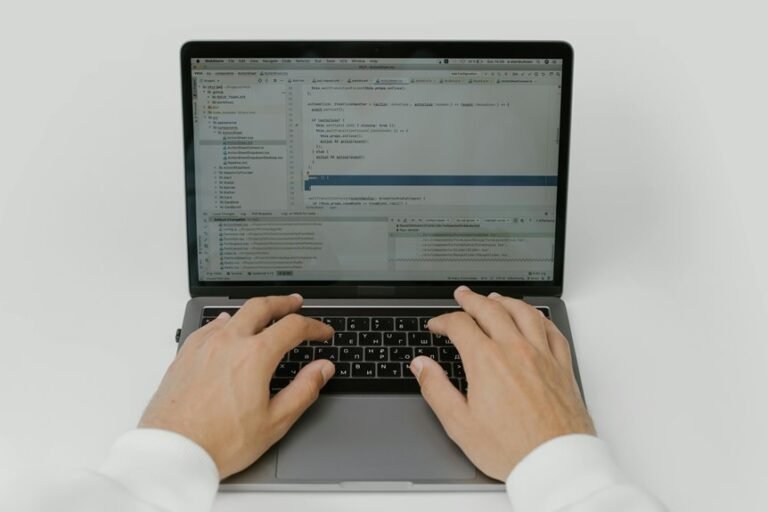
Advanced Web Toolkit 3852617130 Digital Suite

The Advanced Web Toolkit 3852617130 Digital Suite combines modular components with unified APIs to accelerate prototyping and scalable architectures. It enforces explicit orchestration, governance, and standardized connectors, preserving autonomy while ensuring interoperability across projects. Deployment discipline, secure environments, and continuous monitoring with artifact versioning are central. Automated checks, rapid triage, and structured reviews enhance debugging and collaboration, supporting continuous improvement. The framework asks for disciplined adoption, and the implications invite further examination of setup, integration, and governance.
Start Here: Master the Digital Suite’s Core Capabilities
The Digital Suite’s core capabilities constitute the foundational toolkit for efficient web development, offering modular components, unified APIs, and streamlined workflows. The framework emphasizes innovation mechanics, enabling rapid prototyping and scalable architecture. It also clarifies integration patterns, detailing standardized connectors and orchestration methods. Practitioners gain autonomy through clear abstractions, predictable behavior, and powerful tooling, fostering deliberate experimentation while preserving consistency and interoperability across projects.
Set up and Integrate the Digital Suite Into Your Workflow
Set up and integration begin with a clear workflow plan that outlines installation, configuration, and governance steps for the Digital Suite.
The detached analysis describes practical alignment with existing processes, enabling seamless adoption.
It identifies integration challenges, then presents concrete optimization strategies: modular tooling, standardized interfaces, automated testing, and governance metrics.
This approach preserves autonomy while ensuring reliable, scalable workflow enhancement.
Deploy and Secure Modern Apps With the Digital Suite
Deploying modern applications with the Digital Suite requires a disciplined, stepwise approach that aligns security and performance goals with DevOps practices. The framework enables controlled deployment environments, enforced access via scoped permissions, and continuous monitoring. Artifact versioning ensures traceability and rollback capability. Compliance is embedded in pipelines, while automated alerts mitigate risk, preserving reliability, agility, and freedom to evolve architectures confidently.
Debug, Test, and Collaborate for Peak Productivity
In debugging, testing, and collaboration, teams harness disciplined workflows to accelerate feedback loops and elevate code quality. The debugging workflow emphasizes automated checks, traceable results, and rapid triage, enabling developers to isolate issues quickly.
Collaboration rituals foster shared ownership, concise standups, and transparent progress. Structured reviews, pair programming, and continuous improvement sustain peak productivity without compromising freedom or autonomy.
Conclusion
The Digital Suite unites modular components, unified APIs, and disciplined governance to streamline prototyping, deployment, and monitoring. Its explicit orchestration preserves autonomy while ensuring interoperability across projects, with artifact versioning and secure environments guiding continuous improvement. Practitioners benefit from automated checks, rapid triage, and structured reviews that boost collaboration and compliance. In practice, teams converge on scalable architectures; anachronism aside, the core value remains consistent: reliable delivery through disciplined integration and transparent governance.